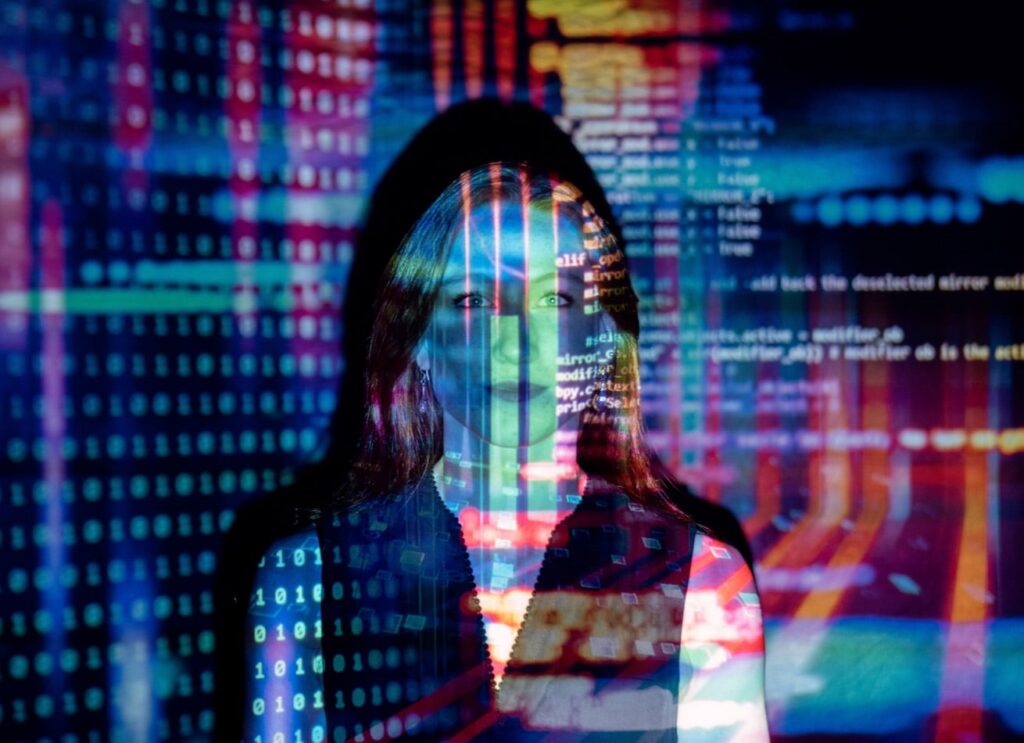
In early 2024, a finance worker at a multinational firm in Hong Kong was tricked into paying out $25 million after attending a video call with what he thought was the company’s Chief Financial Officer. In reality, every other person on that call was an AI-generated deepfake.
Fast forward to 2026, and these “synthetic media” attacks have graduated from rare, high-profile heists to a daily operational risk for businesses of all sizes. As deepfake technology becomes cheaper and more accessible, the fundamental way we verify identity must change. We can no longer trust our eyes and ears.
The Threshold of Realism
In 2026, deepfake quality has passed a critical threshold. High-fidelity voice cloning now requires less than three seconds of audio—scraped from a LinkedIn video, a podcast, or even a recorded “wrong number” call—to create a perfect vocal replica. Video deepfakes are now capable of real-time interaction, mimicking a CEO’s micro-expressions and unique speech patterns during a live Zoom or Teams meeting.
Traditional security training told employees to “look for glitches” or “listen for robotic tones.” Today, those glitches are gone. The defense must shift from Human Recognition to Cryptographic and Behavioral Trust.
1. Moving to "Phishing-Resistant" MFA
Standard Multi-Factor Authentication (MFA), such as SMS codes or push notifications, is no longer sufficient. Attackers now use “Adversary-in-the-Middle” (AiTM) proxies to intercept these codes in real time.
The 2026 standard is Passkeys and FIDO2-compliant hardware keys. These methods use device-bound cryptography that cannot be “tricked” by a deepfake. Even if an employee thinks they are talking to their boss on a video call, the cryptographic handshake happens between devices, ensuring that only a verified physical device can authorize a high-value transaction.
2. Behavioral Biometrics: The "Digital Soul"
If a deepfake can mimic your face and voice, what can’t it mimic? Your behavior. 2026 cybersecurity platforms have integrated Behavioral Biometrics, which monitor how a user interacts with their system. This includes:
Keystroke Dynamics: The specific rhythm and speed at which you type.
Navigation Patterns: How you move your mouse or navigate through software menus.
Cognitive Signals: The “hesitation patterns” a human shows when performing a complex task.
If a “user” logs in and their typing cadence suddenly shifts or their mouse movements become too linear (suggesting a bot or a remote attacker), the system triggers a “step-up” authentication challenge immediately, even if the visual “face” on the webcam looks correct.
3. Procedural "Safety Words" and Out-of-Band Verification
Technology alone isn’t a silver bullet. Modern IT consultancy now emphasizes Procedural Resilience. For high-risk actions—such as changing wire transfer details, granting admin access, or releasing sensitive data—businesses must implement “Out-of-Band” verification.
This means if a request comes in via video call, the employee must verify it through a second, unrelated channel, such as a pre-arranged physical “Safe Word” or a verified internal chat message. In 2026, “Trust but Verify” has been replaced by “Assume Synthetic, Prove Authentic.”
4. Liveness Detection and Signal Origin
Advanced security stacks now include Injection Attack Detection (IAD). Most deepfakes aren’t “filmed” by a camera; they are “injected” directly into the video stream of a meeting app. New defense tools can analyze the metadata of a video signal to determine if it originated from a physical lens or a virtual camera driver. If the signal didn’t come from a hardware-verified camera, the call is flagged as high-risk.
Conclusion: The New Era of Digital Trust
By the end of 2026, Gartner predicts that 30% of enterprises will consider standalone identity verification unreliable due to deepfakes. Security is no longer just about keeping hackers out of your network; it’s about ensuring that the person “inside” your network is who they claim to be.
The Deepfake Defense isn’t just a set of tools—it’s a mindset. It’s about building a culture where skepticism is a virtue and where identity is proven through math and behavior, not just a familiar face.